Nutrition
High Protein, Low Calorie Meals: A UK Coach's Simple System
By Maciej Nowicki · Updated 16 November 2026
A high protein, low calorie meal gives you at least 30g of protein for 500 calories or less. Build it the same way every time: start with a lean protein such as chicken breast, turkey mince, tinned tuna, prawns or 0% Greek yoghurt, fill half the plate with veg, then add a weighed portion of carbs.
I'm Mac. When someone tells me they eat a high protein diet, I say: brilliant, let's track it. Usually it turns out to be a normal diet with an egg and a spoonful of peanut butter on top. Everything in the supermarket says “high protein” on the front now, so it's easy to think you're eating loads when you aren't. These are the meals I actually eat and give my clients, built from a normal UK food shop, with the numbers checked against the packs.
What makes a meal high protein and low calorie?
My rule is simple: at least 30g of protein for 500 calories or less. That number isn't random. A 2015 review in the American Journal of Clinical Nutrition suggested aiming for at least 25 to 30g of protein a meal. It also found that eating more protein while dieting helped people lose more weight and fat and hold on to more muscle. A separate review of 24 trials and 1,063 people found the same thing. The benefits were modest, but they all pointed the right way.
Protein won't do the work on its own. Calories still decide whether you lose fat. What protein does is make a calorie deficit easier to live with, because you keep your muscle and the meals feel like proper meals.
Which foods give the most protein for the fewest calories?
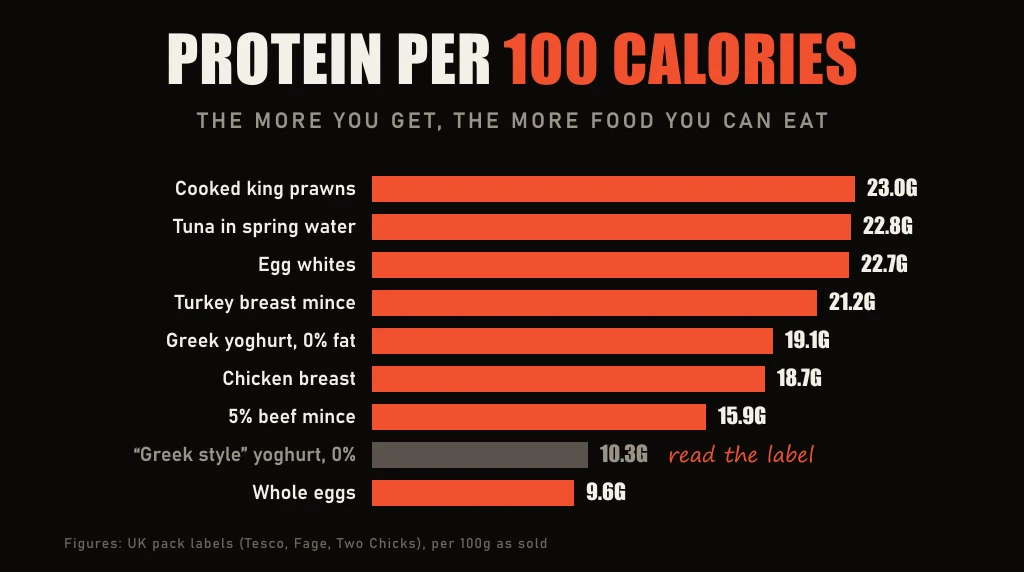
Protein per 100g is only half the story. The number that matters when you're cutting is protein per 100 calories. The higher it is, the more food you can eat for your protein. Here's how common UK supermarket foods compare, taken from the pack labels and, where marked, the USDA FoodData Central database:
| Food (per 100g) | Protein | Calories | Protein per 100 kcal |
|---|---|---|---|
| Cooked king prawns (Tesco) | 18.4g | 80 kcal | 23.0g |
| Tuna in spring water, drained (Tesco) | 24.9g | 109 kcal | 22.8g |
| Liquid egg whites (Two Chicks) | 10.9g | 48 kcal | 22.7g |
| Cod, cooked (USDA) | 22.8g | 105 kcal | 21.7g |
| Turkey breast mince, 2% fat (Tesco) | 25.0g | 118 kcal | 21.2g |
| Fage Total 0% Greek yoghurt | 10.3g | 54 kcal | 19.1g |
| Chicken breast fillets (Tesco) | 21.5g | 115 kcal | 18.7g |
| Chicken mince, 5% fat (Tesco) | 18.9g | 117 kcal | 16.2g |
| Fat free cottage cheese (Tesco) | 10.1g | 63 kcal | 16.0g |
| Beef mince, 5% fat (Tesco) | 20.7g | 130 kcal | 15.9g |
| Tofu, extra firm (USDA) | 10.0g | 83 kcal | 12.0g |
| 0% fat Greek style yoghurt (Tesco) | 6.2g | 60 kcal | 10.3g |
| Large free range eggs (Tesco) | 12.6g | 131 kcal | 9.6g |
| Lentils, boiled (USDA) | 9.0g | 116 kcal | 7.8g |
| Red kidney beans in water (Tesco) | 6.8g | 96 kcal | 7.1g |
The pack figures are per 100g as sold, so raw for the meat. Cooking takes water out but leaves the protein and calories where they are, so the protein per 100 calories barely moves whether it's raw or cooked.
Eggs, beans and lentils sit lower down the list, and that's fine. Eggs are still a brilliant food, they just come with more fat per gram of protein. Beans and lentils bring fibre. They all cost you more calories for the same protein, so don't rely on them alone for your target.
Greek yoghurt or “Greek style”?
Look at the two yoghurts in that table. Fage Total 0% has 10.3g of protein per 100g. Tesco's 0% fat Greek style yoghurt has 6.2g, for slightly more calories. Both say “high in protein” on the pot, and both are allowed to. Under UK rules a food can claim to be high in protein if at least 20% of its calories come from protein. That's a low bar. Skip the front of the pack and read the nutrition table on the back.
How do you build a high protein, low calorie meal?
I use the same four steps for every meal, whether it's meal prep, a fakeaway or a big low calorie bowl of food.
- 1. Protein first. Pick one food from the top half of the table and make it the base. Around 150 to 200g of raw lean meat, a can of tuna or a big bowl of 0% Greek yoghurt gets you to 30g or more. It's also the bit that takes longest to cook, so batch it.
- 2. Half the plate is veg. Frozen veg, salad bags and stir-fry packs all count, and they take five minutes. The NHS says adults should get 30g of fibre a day, and most of us manage about 20g. In my experience with clients, getting fibre up does as much for hunger as anything else you can change.
- 3. Weigh your carbs, don't ditch them. Rice, potatoes, wraps and pasta make the meal worth eating. Potatoes are underrated. In a University of Sydney study of 38 foods, boiled potatoes were the most filling food per calorie by a distance, scoring 323% against white bread's 100%. A croissant scored 47%.
- 4. Measure the sauce. Oil, mayo, nut butter and dressings are what I call invisible calories: almost no volume, nothing to fill you up, and very easy to pour. Light mayo and reduced sugar ketchup are fine. Just put them on the scales like everything else.
Do it that way and you end up with a plate that holds 500g of real food instead of 500 calories of biscuits. Same calories, very different afternoon.
8 high protein, low calorie meals from a normal UK shop
None of these need a recipe. They're built from what's in my weekly shop: chicken breast, lean chicken mince, 5% beef mince, eggs, Greek yoghurt, rice, potatoes, wraps and frozen veg. Figures come from the pack labels linked in this article and are before oil and sauces, so log those on top.
| Meal | What's in it | Protein | Calories |
|---|---|---|---|
| Chicken rice bowl | 175g raw chicken breast, 150g cooked rice, 150g frozen mixed veg | 46g | about 495 |
| Turkey chilli with rice | 125g turkey breast mince, 60g kidney beans, 200g chopped tomatoes, 150g cooked rice | 43g | about 460 |
| Tuna jacket potato | 250g baked potato, 1 can of tuna (about 100g drained), 100g fat free cottage cheese, salad | 41g | about 440 |
| Chicken wrap | 1 tortilla wrap, 125g raw chicken breast, salad, 50g fat free cottage cheese instead of mayo | 37g | about 355 |
| Prawn stir-fry | 150g cooked king prawns, half a 320g stir-fry veg pack, 150g cooked rice | 34g | about 435 |
| Egg white omelette | 2 large eggs, 150g liquid egg whites, any veg you like | 32g | about 230 |
| Greek yoghurt bowl | 250g Fage 0% Greek yoghurt, 100g blueberries | 27g | about 180 |
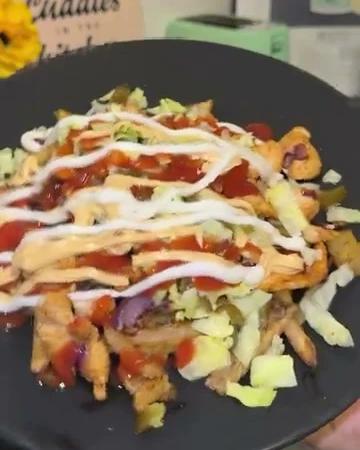
| My chicken burger loaded fries | 350g potato, 200g chicken breast, lettuce, red onion, jalapeños, light mayo and ketchup | 53g | 690 |
The carb and veg figures come from Tesco's labels for long grain rice, baking potatoes, tortilla wraps, mixed vegetables, stir-fry veg, chopped tomatoes and blueberries. Different brands will be a little different, so use your own labels when you log.
The fakeaway that breaks the 500 calorie rule
The last one on that list is mine, and it isn't under 500 calories. It doesn't need to be. It's a proper Friday night plate: oven fries, diced chicken breast fried with red onion, a pile of lettuce and jalapeños, and light sauces on top. 53g of protein for 690 calories. If you need it smaller, cut the potato first.
How do I get 150g of protein a day?
Spread it out. Trying to eat 150g in two meals is miserable. Four meals and a snack, each with a solid hit of protein, gets you there without thinking about it. Here's what that looks like using the meals above:
| When | Meal | Protein | Calories |
|---|---|---|---|
| Breakfast | Egg white omelette | 32g | about 230 |
| Lunch | Chicken wrap | 37g | about 355 |
| Afternoon | Greek yoghurt bowl | 27g | about 180 |
| Dinner | Turkey chilli with rice | 43g | about 460 |
| Evening | 150g fat free cottage cheese | 15g | about 95 |
| Total | about 153g | about 1,320 |
That's about 153g of protein for around 1,320 calories, before oil, sauces and drinks. Most people's calorie target will be higher than that, which leaves room for more carbs, some fat and the odd treat. That's the real benefit of eating this way: the protein is sorted early, so the rest of your calories are free to make the day enjoyable.
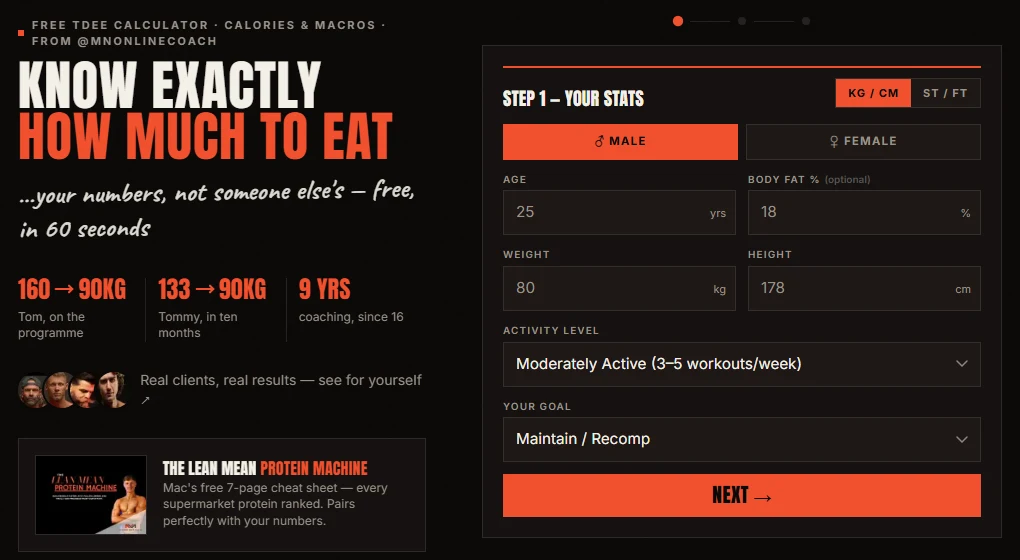
You might not need 150g. How much protein you need depends on your size, and it sits inside your calorie target, which comes first. I explain the daily protein numbers in my guide to protein in chicken breast, and the calculator below gives you both numbers in about a minute.
Prep the protein and the rest is easy
How many meal prep videos have you saved and never made? Most people don't need more recipes. Carbs take minutes. Veg comes in a bag. Protein is where it falls apart, because you have to cook it, plan it and have it ready when you're tired.
So I cook a big batch of chicken or mince at the start of the week, and that one job turns into wraps, rice bowls, jacket potatoes and salads for days. Same boring anchor, different meals. The aim is to make eating well so easy that falling off becomes harder than staying on.
A plan was never the hard part
You can get a meal plan for free in ten seconds. Chances are you already have one. What most people don't have is someone checking in on a Monday after a bad weekend and getting them back on track. That's the part I do.
If you want your meals set up around your calories and someone keeping you honest, start with the 28-Day Blueprint. If you want the full rebuild, have a look at 1-1 coaching.
Frequently asked questions
What meals are high in protein but low in calories?
What snack is high in protein but low in calories?
How do I get 150g of protein a day?
Can I trust a “high protein” label?
Are there vegetarian high protein, low calorie meals?
Do something with it
Reading is the easy rep. The next one is seeing how this works applied to you.
Get your meals set up in 28 daysKeep going
Read next
Mac on Instagram



Watch on YouTube
Practising what I preach: my own 12-week prep phase